Why Your Gut Feeling About Meat Temperature is Probably Wrong (And Why That Matters in the Wilderness)
I used to think I could tell when chicken was done just by looking at it.
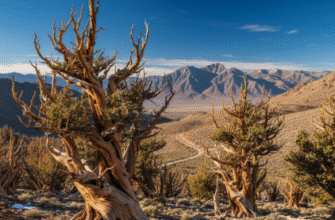
Turns out, that confidence was wildly misplaced—something I learned the hard way during a backcountry trip in Oregon where half our group spent a night dealing with what we politely called “digestive distress.” The thing about camping is that you’re already pushing your luck with cooler temperatures, variable heat sources, and the kind of distractions (bears, mosquitoes, that one friend who won’t stop talking about crypto) that make precision cooking nearly impossible. A good thermometer isn’t just convenient out there; it’s the difference between a memorable trip and a miserable one. Food poisoning in the wilderness hits different—there’s no corner pharmacy, no urgent care, just you and the consequences of undercooked pork at 7,000 feet. I’ve since learned that poultry needs to hit 165°F internally, ground meats 160°F, and whole cuts of beef or pork around 145°F, but honestly, I wouldn’t trust my judgment on any of those without actual numbers staring back at me.
The FDA doesn’t mess around with these temperatures for fun—they’re based on decades of research into pathogen destruction. Salmonella, E. coli, Campylobacter—these aren’t abstract concepts when you’re two days from the nearest road. Wait—maybe I’m being dramatic, but I’ve seen tough hikers reduced to shivering messes because someone thought that burger “looked fine.”
Instant-Read Digital Thermometers That Actually Survive the Outdoors
Here’s the thing: not all thermometers are built for the chaos of camp cooking.
The best instant-read models give you a temperature in under three seconds, which matters when you’re holding a hot pan over a propane burner with one hand and swatting insects with the other. ThermoPro TP19 is one I keep seeing in serious camping setups—it’s got a rotating display (useful when you’re crouched at weird angles), reads from -58°F to 572°F, and the battery lasts roughly forever, give or take. I guess it makes sense that a backlit screen would be essential, though I didn’t appreciate that until I was trying to check a steak at dusk and couldn’t see the numbers. The Thermapen ONE is the gold standard if you don’t mind spending around $100—it’s waterproof to IP67 standards, accurate to ±0.5°F, and so fast it feels almost unnecessary until you’re juggling three things on a two-burner stove. Cheaper options like the Lavatools Javelin exist around $25, and honestly, they’re fine for most people. The main thing is getting something with a thin probe tip that won’t destroy your food trying to get a reading, and a wide enough temperature range to handle everything from candy-making to meat.
Leave-In Probe Thermometers for When You Can’t Babysit Your Dinner
Sometimes you just want to set things up and walk away.
Leave-in thermometers with remote monitors let you do that—you stick the probe in your meat, run the heat-resistant cable out of your Dutch oven or grill, and clip the monitor somewhere you can glance at it. The Meater Plus goes wireless with a 165-foot Bluetooth range, which sounds excessive until you’re at a campsite where the picnic table isn’t near the fire ring. It even estimates how long until your food hits target temp, though I’ve found those predictions can be optimistic. ThermoPro TP20 is a solid wired option with dual probes, so you can monitor two different items or track both food and ambient grill temperature simultaneously—especially useful for slow-cooking scenarios where you need to maintain steady heat for hours. I used to think this level of monitoring was overkill, but then I spent an afternoon trying to smoke ribs over a campfire and realized I had no idea what temperature I was actually maintaining. The learning curve was steep and the ribs were… educational.
Infrared Thermometers for Surface Temps and Griddle Management (With Obvious Limitations)
Infrared guns are weirdly satisfying to use.
You point, pull the trigger, and get an instant surface temperature reading—perfect for checking if your cast-iron skillet is hot enough for searing or if that rock next to the fire is cool enough to sit on (don’t ask). But here’s what drives me nuts: people try to use them for food safety, which doesn’t work. Infrared only measures surface temperature, not internal temp, so while it’ll tell you your steak’s exterior is 400°F, it says nothing about whether the center has reached safe eating temperature. I’ve seen this confusion lead to problems, frankly. The Etekcity 774 is like $20 and does what it’s supposed to—measures surfaces from -58°F to 716°F with decent accuracy. It’s genuinely useful for campfire cooking where managing pan temperature matters, or for checking cooler performance (is that ice chest actually keeping things below 40°F?). Just don’t make the mistake of thinking it replaces a proper probe thermometer. Use it for surfaces, use a probe for safety. Anyway, I keep both in my camp kitchen setup now, because they solve different problems and I’d rather carry an extra four ounces than wonder if my food is safe to eat.