
I used to think biodegradable meant it would vanish in like, a week.
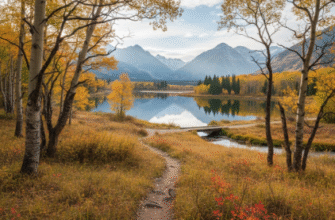
Turns out the chemistry is way more complicated than that—some so-called eco-friendly soaps take months to break down, and only under specific conditions that don’t really exist next to your average alpine lake. The phosphates and surfactants in conventional camp soap can linger in soil for decades, disrupting microbial communities that everything else depends on, and I mean everything: the fungi that feed the trees, the bacteria that fix nitrogen, even the tiny arthropods that aerate the ground. It’s this whole cascading mess. Dr. Bronner’s castile soap keeps coming up in forums because it actually works—the saponified coconut and olive oils break down in roughly 28 days under field conditions, give or take, and it doesn’t leave that weird film on your skin that makes you feel dirtier than before you washed. But here’s the thing: even biodegradable soap shouldn’t go directly into water sources, which a lot of campers don’t realize.
I’ve seen people scrubbing dishes right in streams, thinking their fancy eco-bottle makes it fine. It doesn’t. You’re supposed to carry water at least 200 feet away, scatter the greywater, let the soil do its filtering job.
Anyway, the science of what makes something truly biodegradable is kind of fascinating and kind of exhausting.
Why Most Camping Soaps Are Lying to You (Sort of)
The term “biodegradable” isn’t regulated the way you’d hope. A product can claim it on the label if it breaks down eventually—but eventually might mean six months in an industrial composting facility at 60°C, not three days in a cold creek. Sodium lauryl sulfate, the foaming agent in most camp soaps, does biodegrade, but it’s also toxic to aquatic invertebrates during that process, which takes weeks. I guess it makes sense that companies don’t advertise that part. Campsuds and Sierra Dawn both use plant-derived surfactants that score better on aquatic toxicity tests, though Sierra Dawn has this weird citrus smell that either delights you or makes you nauseous—there’s no middle ground, based on the reviews I’ve read and my own unfortunate experience on a trip in the Sierras last summer.
The real game-changer products skip soap entirely. Sea to Summit’s Wilderness Wash uses a concentrated formula where a few drops actually suffice, which sounds like marketing nonsense until you try it and realize your bottle lasts four times longer than expected. Bronner’s keeps winning not because of branding but because the ingredient list is startlingly short: water, saponified oils, maybe some essential oils.
Wait—maybe I’m just tired of products with 30 unpronounceable chemicals.
The Stuff That Actually Works in Cold Water and Doesn’t Wreck Ecosystems
Cold water is the real test because most soaps are formulated for warm. The molecular action that lifts grease and dirt slows way down below 15°C, which is pretty much every alpine stream and a lot of lakes even in summer. I used to think I was just bad at cleaning dishes on backpacking trips, but it was actually the temperature—and the soap. Castile-based products perform better in cold because the saponification process creates these longer-chain molecules that stay active at lower temps, though I’m simplifying the organic chemistry here probably more than I should. The other option is to just not use soap: a handful of sand or pine needles can scrub surprisingly well, which sounds very granola but genuinely works for everything except grease.
For grease you need something, and that something should probably be Campsuds or a DIY mix of Bronner’s diluted 1:10 in a little squeeze bottle.
Honestly, the best camping soap is the one you use correctly—away from water, sparingly, and with the understanding that “biodegradable” doesn’t mean consequence-free.
What I Wish Someone Had Told Me Before I Contaminated That Creek in 2019
The Leave No Trace guidelines are clear but nobody reads them until after they’ve screwed up. I definately didn’t. I was washing my hair directly in a creek in the White Mountains, using a biodegradable shampoo bar from a bougie outdoor store, thinking I was being responsible. A ranger walked by and very politely explained that I was basically dosing the water with oils and particulates that would feed algae blooms downstream, even if the soap itself broke down. The phosphorus in my scalp oils alone—nevermind the product—was enough to cause problems in slow-moving water. It’s the kind of thing that makes you feel stupid and then defensive and then just tired. Now I carry a collapsible bucket, haul water 200 feet from any source, and scatter the greywater over a wide area so the soil microbes can actually do their job. The bucket weighs four ounces and costs maybe twelve dollars. The soap I use is either Bronner’s or nothing, depending on how lazy I’m feeling and whether I’ve remembered to refill my little bottle.
Turns out being a responsible camper is less about buying the right products and more about not being an idiot with the products you already have, which is a lesson that applies to a lot of things, I guess.