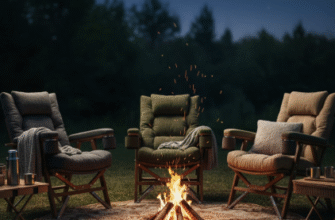

I burned a grilled cheese on a campfire once, and honestly, that’s when I started thinking about sandwich makers designed for the outdoors.
The thing is, camping food has this reputation for being either freeze-dried sadness or elaborate Dutch oven productions that require you to wake up at dawn and tend coals like some kind of wilderness monk. But somewhere between those extremes—wait, maybe right in the middle—there’s the humble sandwich maker, which I’ve come to believe is one of the most underrated pieces of camping gear you can throw in your trunk. I’ve seen people spend hundreds on titanium cookware and then eat cold bagels for breakfast because they didn’t want to deal with cleanup. A decent panini press or sandwich iron changes that calculus entirely. You get hot food, minimal dishes, and if you’re using a fire-based model, that slightly charred, smoky flavor that makes even mediocre ingredients taste like you actually know what you’re doing out there. The first time I used a cast iron pie iron over a campfire—this was maybe seven years ago, give or take—I made pizza pockets with leftover pasta sauce and shredded mozzarella, and my friend looked at me like I’d just performed actual magic.
Why Cast Iron Pie Irons Still Dominate the Backcountry Cooking Scene
Cast iron pie irons have been around since, I don’t know, probably the 1800s or something—I haven’t verified that, but they feel ancient in a good way. They’re essentially two metal plates on long handles that clamp together, and you stick them directly into campfire coals. The learning curve is real: too close to the flames and you get carbon on the outside with raw dough inside; too far and you’re waiting twenty minutes for barely-toasted bread. But once you figure out the distance and timing, they’re unbeatable for versatility. I guess what I love most is that you can make desserts—apple pie filling with cinnamon sugar, or Nutella and banana—just as easily as savory stuff like ham and cheese or scrambled eggs with peppers.
The downside? They’re heavy. A traditional cast iron model weighs maybe two pounds, and if you’re backpacking, that’s a non-starter. Car camping, though, they’re perfect. Also, they require seasoning and maintinence, which some people find annoying, but I find it sort of meditative—or maybe I’m just lying to myself about that.
Electric and Propane Models for Glampers Who Still Want Convenience Without Sacrificing Flavor
Then there are the electric sandwich makers, which feel almost like cheating but in a way that I defintely respect.
If you’ve got a camper van or RV with shore power, or even a decent portable power station, something like a compact electric panini press makes sense. I used to think these were too fussy for camping, too dependent on infrastructure, but then I watched someone make pressed Cuban sandwiches at a campsite using a little Cuisinart model plugged into a Jackery, and I had to reconsider my biases. The temperature control is consistent, there’s no guessing about coal heat, and cleanup is usually just wiping down nonstick plates. Some models even have removable plates that go in the dishwasher, assuming you have access to one, which admittedly limits the appeal. For propane-powered options, the Coleman camp stove sandwich maker attachment is weirdly popular—it sits on top of a standard two-burner stove and works like a stovetop press, giving you grill marks and even heating without needing electricity. It’s lighter than cast iron, heats up faster, and doesn’t need seasoning, though it lacks some of that romantic campfire aesthetic that makes you feel like a frontier pioneer or whatever.
Honestly, the best choice depends on your setup and how much you care about weight versus tradition.
I’ve met purists who insist that anything battery-powered doesn’t count as real camping, and I’ve also met people who bring espresso machines into the woods and don’t see the contradiction. The truth is probably that a good camping sandwich maker is just whatever gets you to actually eat something warm and satisfying instead of granola bars for the fourth meal in a row—and if that means you need a plug or a propane canister, so be it.