I used to think camping gear was camping gear—you know, one sleeping bag fits all situations.
Turns out the difference between a weekend beach trip and a two-week mountain expedition is roughly the same as packing for Miami versus Antarctica, give or take a few thermal layers. I’ve watched friends show up to desert campsites with rain tarps they’ll never use, and I’ve definately made the mistake of bringing a massive cooler on a backpacking trip where every ounce mattered. The thing is, road trips aren’t created equal, and neither are the checklists you need for them. A family van cruising to national parks requires different logistics than a solo motorcycle ride through backcountry routes. Wait—maybe that sounds obvious, but you’d be surprised how many people pack the same stuff regardless of their destination or vehicle capacity.
Here’s the thing: coastal and beach road trips demand gear that handles sand, salt, and humidity. You’ll want a tent with serious ventilation because nothing feels worse than waking up in a suffocating nylon sauna at dawn. Bring tarps or ground cloths that extend beyond your tent footprint—sand gets everywhere, and I mean everywhere. A portable shower or water jug becomes essential since saltwater leaves you feeling sticky and miserable. Coolers need to be top-tier for beach trips because you’re often far from stores, and nobody wants warm beer or spoiled food in 90-degree heat.
For mountain and alpine camping during road trips, insulation becomes your obsession. I guess it makes sense when you consider temperature drops of 30 or 40 degrees between afternoon and midnight. Your sleeping bag should be rated at least 10 degrees lower than the coldest forecast temperature—I learned this the hard way shivering through a supposedly mild June night at 9,000 feet. Layered clothing systems matter more than any single jacket, and you’ll need a stove that works at altitude since campfires often aren’t allowed or feasible above the treeline. Bear canisters or bear bags aren’t optional in most mountain regions, and honestly, the peace of mind alone justifies the weight and hassle of carrying them.
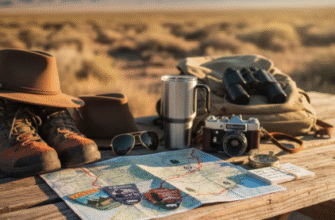
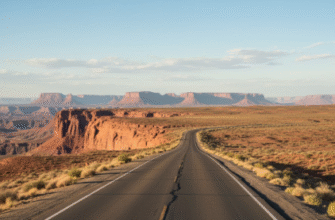
Desert road trips require this weird balance of sun protection and nighttime warmth that catches people off guard.
Shade structures—whether that’s a quality canopy, tarp setup, or vehicle awning—make the difference between enjoying your campsite and hiding in your car until sunset. You’ll need way more water than feels reasonable, probably five to seven gallons per person for a weekend trip, because dehydration sneaks up fast in dry climates. I’ve seen people bring dark-colored tents to desert environments, which is basically volunteering for a 120-degree oven experience by mid-morning. Reflective windshield covers, electrolyte packets, and a headlamp with red light mode for preserving night vision all become surprisingly critical. The temperature swings mean your sleeping bag needs versatility—I usually bring a 20-degree bag and sleep on top of it when it’s hot, then burrow inside when temps plummet after dark.
Winter and cold-weather road trips to snowy regions demand the most specialized gear, and mistakes here aren’t just uncomfortable—they’re genuinely dangerous. Four-season tents withstand wind and snow loads that would collapse three-season models, and you’ll want a sleeping pad with an R-value above 4 to insulate you from frozen ground. Hand warmers, extra batteries (cold kills battery life), and a shovel for digging out your car or creating windbreaks become non-negotiable items. Anyway, moisture management gets tricky because everything from your breath to melting snow creates condensation inside your tent, so bringing extra dry bags and keeping your sleeping bag in a waterproof stuff sack prevents a miserable night in damp insulation.
The forest and woodland road trip checklist sits somewhere in the middle complexity-wise but brings its own quirks. Bug protection—mesh clothing, permethrin-treated gear, and a screened shelter—matters more here than almost anywhere else, especially during late spring and summer when mosquitoes and ticks are relentless. You’ll probably have easy access to firewood, so a quality camp grill or cooking grate lets you take advantage of campfire cooking. Rain gear needs to be legitimately waterproof since forest canopies hold moisture and afternoon storms appear without much warning in many wooded regions.