
I used to think mountain roads were just, you know, roads that happened to be higher up.
Then I drove the Beartooth Highway—all 68 miles of it, zigzagging between Red Lodge, Montana and the northeast entrance of Yellowstone in Wyoming—and realized I’d been fundamentally wrong about what pavement could do to a person’s nervous system. This thing climbs to 10,947 feet at Beartooth Pass, making it one of the highest paved roads in North America, and the entire stretch feels like someone dared an engineer to build a roller coaster out of asphalt and glacial moraine. Charles Kuralt called it “the most beautiful drive in America” back in the ’80s, and honestly, I can’t think of a better description even if it sounds like travel brochure hyperbole. The road was completed in 1936 after years of Depression-era construction, and you can still see the ambition—or maybe madness—in every switchback. It’s only open from late May to mid-October, sometimes less, because winter up here doesn’t mess around. The snow can pile up 20 feet deep in spots, which is roughly the height of a two-story building, give or take.
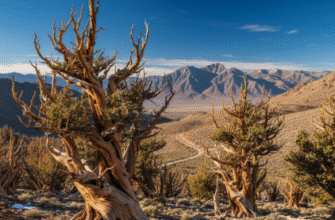
Anyway, the alpine tundra part is what gets me. You’re driving through dense pine forests one minute, then suddenly you’re above the treeline—around 10,000 feet—and the landscape turns into this windswept, rocky expanse that looks more like northern Alaska than the Lower 48. The tundra ecosystem up here is surprisingly fragile, even though it looks tough. Plants grow maybe a quarter-inch per year in the short growing season, which lasts about six weeks if they’re lucky. I guess it makes sense when you think about the conditions: freezing temperatures most of the year, constant wind, thin soil.
Where the Oxygen Gets Thin and the Geology Gets Weird
The Beartooth Plateau itself is a massive uplifted block of Precambrian rock—we’re talking 2.7 to 4 billion years old, some of the oldest exposed rock on Earth. I’ve seen tourists stop at the pullouts and just stare at the granite outcrops like they’re trying to comprehend that kind of timescale, which, fair enough, is basically impossible. The glaciers that carved this landscape during the last ice age—roughly 10,000 to 12,000 years ago—left behind U-shaped valleys, cirques, and about a thousand alpine lakes, many of them still frozen in early July. Wait—maybe not a thousand exactly, but definitely hundreds. The geology here is so complex that researchers still argue about the exact sequence of uplifts and erosion events.
Here’s the thing: the wildlife up here has adapted in ways that seem almost absurd. Pikas, those little round rodents that look like hamsters with Mickey Mouse ears, live in the boulder fields and spend their summers frantically gathering vegetation to dry for winter. They don’t hibernate—they stay active under the snow, eating their hay piles. Yellow-bellied marmots whistle warnings from rockpiles. Bighorn sheep occasionally wander across the road like they own it, which, technically, they do. I’ve definitely seen more marmots than I ever expected to see in one lifetime.
The Switchbacks That Make Your Passengers Reconsider Their Life Choices
The engineering is genuinely impressive, even if it’s terrifying.
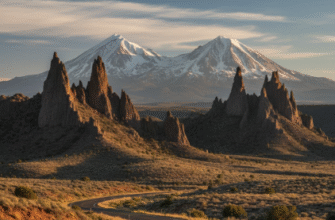
The road gains about 5,000 feet in elevation over a relatively short distance, which means switchbacks—lots of them. Some of the curves are so tight that RVs and trucks with trailers have to make multiple-point turns, and there are signs warning drivers about the grades, which hit 10% in places. The views from the pullouts are the kind that make you forgive the white knuckles: jagged peaks, endless sky, valleys that drop away into what looks like the beginning of the world. On clear days—and up here, the weather can change in minutes—you can see the Absaroka Range stretching south into Yellowstone. Charles Kuralt wasn’t exaggerating. The air at this altitude has about 30% less oxygen than at sea level, which you notice if you try to hike around, and the UV radiation is intense enough that sunburn happens faster than you’d think. I guess the tundra plants have to deal with that too, along with everything else trying to kill them. Turns out, being a cushion plant clinging to a rock at 11,000 feet is not an easy life, but they’ve been doing it for millennia, so something’s working.
The road closes every winter and doesn’t reopen until snowplows can clear it, which sometimes takes until late June. Even in summer, afternoon thunderstorms can roll in with almost no warning, dropping hail and lightning on the exposed ridges.