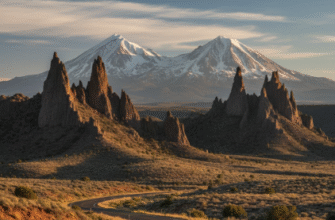
I’ve driven past Bears Ears twice now, and each time I feel like I’m trespassing on something I can’t quite name.
The twin buttes rise from the red desert like sentinels—though that’s the kind of tired metaphor every travel writer uses, and honestly, it doesn’t capture the strangeness of the place. The Navajo call it Shash Jáa, “Bear’s Ears,” and for the Hopi, Ute, Zuni, and at least a dozen other tribes, this 1.35 million acres of southeastern Utah isn’t just scenery. It’s a living archive. Petroglyphs etched into sandstone walls date back roughly 3,000 years, give or take a few centuries—archaeologists argue about the exact timeline, but the point stands: people have been here, leaving marks, telling stories, burying their dead, gathering medicinal plants, conducting ceremonies. The land remembers even when we don’t. Wait—maybe especially when we don’t.
In 2016, President Obama designated Bears Ears as a national monument, responding to a historic intertribal coalition that had lobbied for protection. It was the first time Native nations had initiated such a proposal. Then in 2017, the monument was slashed by 85%, opening land to uranium mining and oil drilling. Then in 2021, it was restored. The whiplash is exhausting, and if you’re keeping score at home, you’re not alone—Indigenous leaders have been fighting this battle for decades, watching their sacred sites become political footballs.
The Petroglyphs That Tourists Don’t See (And Probably Shouldn’t)
Here’s the thing: most visitors to Bears Ears never encounter the truly significant sites. The famous ruins—Mule Canyon, House on Fire—are accessible, Instagrammable, and consequently overrun. But deeper in the backcountry, there are cliff dwellings so remote that only locals and researchers know their locations. Deliberately. Because when sacred sites become tourist attractions, they get vandalized, looted, or just worn down by foot traffic. I used to think transparency was always good, but turns out some secrets protect what matters. The Ancestral Puebloans who built these structures around 1200 CE didn’t leave forwarding addresses, but their descendants—the Hopi, Zuni, Acoma—still return here for ceremonies, still gather plants, still consider this home.
The archaeology is staggering. Over 100,000 sites documented, though the real number is probably higher. Granaries tucked into cliff alcoves. Towers aligned with solstice sunrises. Pottery sherds that reveal trade networks stretching to present-day Mexico. Some petroglyphs depict bighorn sheep hunts; others show geometric patterns that might be star charts or might be something we can’t decifer because we’ve lost the cultural context.
Why Uranium Mining and Sacred Land Make Terrible Neighbors
The uranium issue isn’t hypothetical.
In the 1940s and 50s, thousands of Navajo miners extracted uranium for nuclear weapons, often without proper ventilation or safety equipment. The legacy: elevated cancer rates, contaminated water sources, abandoned mines leaking radiation. Now, with Bears Ears’ protections unstable, mining companies are circling again. The geology here—Morrison Formation sandstone—is rich in uranium deposits. It’s also where ancient springs feed cottonwood groves, where endangered California condors nest, where tribal members gather piñon nuts and conduct sweat lodge ceremonies. You can’t drill for uranium without roads, waste ponds, dust clouds. You can’t protect sacred silence while running industrial equipment. I guess it’s a choice about what we value, and historically, we’ve chosen extraction over reverence.
Driving Through Controversy: What Visitors Actually Experience Versus What’s at Stake
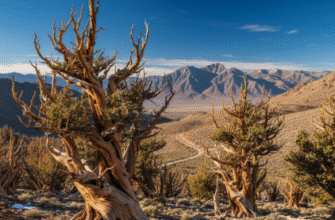
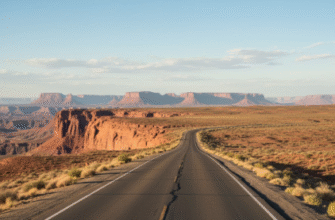
When you drive Highway 95 through the monument, the experience is deceptively peaceful. Red rock canyons. Juniper-dotted mesas. Maybe a raven circling overhead. Pull over at Valley of the Gods, and the landscape looks untouched, eternal. But that perception is misleading—this land has been continuously inhabited and managed for millennia. Indigenous burning practices shaped these ecosystems. What looks like wilderness is actually a cultural landscape, tended and known.
The current management plan involves a collaboration between federal agencies and a Bears Ears Commission composed of tribal representatives. It’s imperfect, slow, and frequently underfunded. But it’s also unprecedented: giving Indigenous nations a formal voice in managing their ancestral homelands. Some environmentalists worry that protections aren’t strong enough. Some local ranchers resent restrictions on grazing. Some tribes want full sovereignty, not just a seat at the table. Anyway, everyone agrees on one thing—the land itself is irreplaceable. Once you bulldoze a 1,000-year-old cliff dwelling for a mining access road, it’s gone. No do-overs.
I don’t have a tidy conclusion here, because the story isn’t finished. Bears Ears remains vulnerable to the next administration, the next lawsuit, the next budget cut. What I keep thinking about is something a Ute elder told a reporter: “This land raised us.” Not past tense. Present. The land is still raising people, still teaching, still sacred. Whether we respect that is definately up to us.