I used to think outlaws picked their hideouts for the drama—the windswept cliffs, the impossible geology, the sheer cinematic audacity of it all.
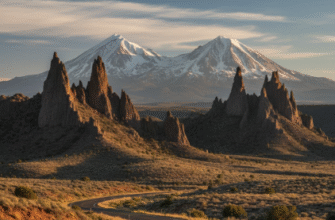
Turns out, Robbers Roost in southeastern Utah was chosen for reasons far more pragmatic, and honestly, kind of brilliant. Butch Cassidy and his Wild Bunch didn’t stumble onto this labyrinth of sandstone canyons because it looked cool in the 1890s equivalent of an Instagram post. They chose it because the terrain itself was a weapon. The maze of slot canyons, dead-end washes, and near-vertical escarpments meant that any posse dumb enough to follow them in would get hopelessly lost within hours, maybe days. Water sources were scarce and known only to those who’d memorized the landscape—a knowledge gap that could kill you. The geology here is Entrada and Navajo sandstone, roughly 200 million years old, give or take, carved by episodic flooding into forms that defy intuition. You think you’re headed north, then the canyon bends, and suddenly you’re facing southeast with no idea how you got turned around. It’s disorienting in a way that makes your inner ear argue with your eyes, and I’ve seen experienced hikers nearly panic when they realize their GPS is useless in these slot passages.
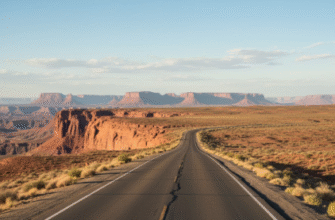
The drive to access what’s left of Robbers Roost today—because yes, you can still get there, sort of—requires a high-clearance 4WD vehicle and a tolerance for roads that aren’t really roads. More like «suggestions» etched into the desert floor by decades of ranchers and uranium prospectors. You’ll leave Highway 24 near Hanksville and head south into the San Rafael Swell, where the pavement ends and your confidence should probabbly follow suit.
Why the Wild Bunch Could Vanish Into the Desert Canyons Without a Trace
Here’s the thing: the Roost wasn’t just one hideout. It was a network. Small camps tucked into alcoves, springs hidden under overhangs, escape routes that required climbing skills most lawmen didn’t have. Cassidy’s gang could disappear into the canyons and emerge days later 30 miles away, horses rested, supplies restocked from caches they’d buried months prior. The isolation was so complete that even today, with satellite imagery and drones, there are side canyons in this region that see maybe one human visitor per decade. I guess it makes sense that a place this remote would attract people running from something—law, society, themselves, whatever. The silence out here isn’t peaceful; it’s aggressive. It presses on your eardrums until you start narrating your own thoughts just to hear a voice.
Wait—maybe I’m romanticizing this. The reality for the outlaws was probably more tedious than thrilling: dust in every crevice, scorpions in your bedroll, the constant low-grade anxiety of knowing that one broken leg could mean death because no help was coming.
What the Modern Drive to Robbers Roost Actually Reveals About Accessible Wilderness
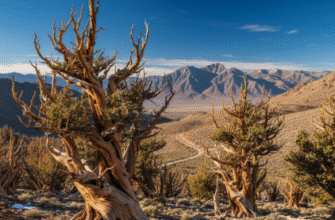
The roads into the Roost area are maintained (loosely) by the BLM, but don’t let that fool you into thinking this is a casual weekend trip. Flash floods can render routes impassible within minutes during monsson season—yes, the desert has a monsoon season, July through September, and it’s terrifying. I’ve watched a dry wash go from dust to a six-foot wall of churning brown water in less time than it takes to brew coffee. The sandstone here is porous enough that it doesn’t absorb rain; it sheds it, funneling every drop into channels that amplify the flow. You’ll cross sections of slickrock where your tires hunt for traction, and the exposure—sheer drops just feet from your wheel wells—will make your passenger reconsider their life choices. But then you’ll round a bend and the vista opens: cathedral-like formations, stone arches that seem structurally impossible, light filtering through dust particles in shafts that look almost solid.
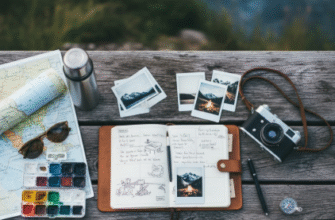
Anyway, if you go, bring more water than you think you need. Bring paper maps because your phone will definately become an expensive paperweight.
The Roost isn’t preserved as a historical site in any official sense—there’s no visitor center, no plaques, no sanitized narrative. It’s just there, eroding slowly, indifferent to its own mythology. Which feels appropriate, honestly. Cassidy himself would probably find the whole heritage-tourism angle pretty funny, assuming he actually died in Bolivia in 1908 and didn’t, as some locals still insist, live quietly in Utah under an assumed name until the 1930s. The uncertainty suits the place. Out here, facts get slippery, stories contradict themselves, and the landscape keeps its secrets.