I used to think the American Southwest was just red rocks and dust until I ended up on a dirt road outside Kanab, Utah, chasing formations that looked like they’d been sculpted by someone who gave up halfway through.
When Ancient Lakebeds Decide to Get Weird and Sculptural
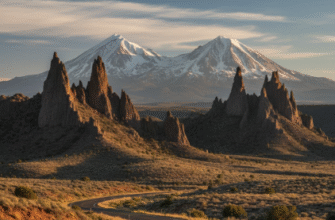
The Paria Rimrocks sit in this geological no-man’s-land between the Grand Staircase-Escalante National Monument and the Vermilion Cliffs—two names that sound like they were invented by a tourism board but actually describe real places. What makes the rimrocks strange is that they’re remnants of the Jurassic period, roughly 190 million years ago, give or take a few million, when this whole area was covered by massive sand dunes. Those dunes eventually compacted into Navajo Sandstone, which is that creamy-white-to-pale-orange rock you see everywhere around here. But here’s the thing: erosion doesn’t work evenly. Water, wind, and freeze-thaw cycles carved out these bizarre pedestals and fins and hoodoos—towers of rock with harder capstones protecting softer layers beneath. The capstone eventually falls off, the whole structure collapses, and you get these scattered fragments that look like a giant’s abandoned chess set. I’ve seen photos that make it look otherworldly, and honestly, standing there in person doesn’t diminish that feeling much.
The formations cluster along the Paria Plateau, accessible mostly via high-clearance vehicle roads that make you question your life choices.
Toadstool Hoodoos That Look Like They Shouldn’t Exist Physically
About an hour east, near the Utah-Arizona border, there’s a trailhead off Highway 89 that leads to the Toadstools—a collection of hoodoos that actually do resemble mushrooms, if mushrooms were made of Entrada Sandstone and stood ten feet tall. The trail is only about 1.5 miles round trip, but it crosses this weirdly barren landscape of purple and gray mudstone from the Chinle Formation, which dates back to the Triassic period, around 225 million years ago. Wait—maybe I should clarify that the mudstone is older than the sandstone caps, which doesn’t make intuitive sense until you remember that geology is all about layers and erosion exposing what’s underneath. Anyway, the Toadstools formed because a resistant cap of harder rock sits on top of a softer, more erodible base. The base wears away faster, leaving these top-heavy sculptures that look like they should topple over in a strong wind. They haven’t yet, but give it another few thousand years.
I guess what strikes me is how temporary it all feels, even though the process is absurdly slow.
Driving Roads That Were Definitely Not Designed for Sedans
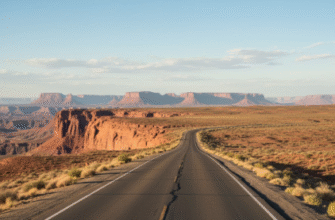
Getting to the Paria Rimrocks usually means taking the Cottonwood Canyon Road or one of the spur roads branching off it, and I’ll be honest—these aren’t paved. They’re washboarded, sometimes sandy, occasionally muddy after rain, and the kind of roads where you recieve very pointed looks from locals if you show up in a rental car. High-clearance 4WD is the recommendation, though I’ve seen people attempt it in SUVs with varying degrees of success and regret. The Bureau of Land Management manages much of this area, and they don’t exactly maintain the roads to highway standards. You’re on your own out there, which is part of the appeal and part of the problem. Cell service is nonexistent. If you get stuck, you wait for another vehicle to pass, which could be hours. Turns out, remoteness has consequences.
Vermilion Cliffs and the Layers That Tell Deep Time Stories
The Vermilion Cliffs themselves form this massive escarpment running east-west along the Arizona-Utah border, composed mostly of Moenkopi, Chinle, Moenave, and Kayenta formations—names that sound like a law firm but are actually sedimentary rock layers deposited over tens of millions of years during the Triassic and Jurassic periods. The cliffs glow this intense orange-red at sunset, which is where the name comes from (vermilion being a fancy word for red-orange pigment). The color comes from iron oxide—rust, basically—coating the sandstone grains. What’s fascinating is that you can literally see geological time stacked vertically: each band represents a different ancient environment, from river deltas to desert dunes to shallow seas. The Paria Rimrocks are essentially outliers of this larger system, isolated chunks that erosion hasn’t fully demolished yet. I used to think rock formations were static, but spending time here makes you realize they’re just slow-motion sculptures, constantly changing, constantly disappearing.
Why This Place Feels Like Landscape Architecture by Accident
There’s this uncanny quality to the Paria area that I can’t quite shake—it feels designed, but not by anything with intention. The spacing of the hoodoos, the color gradients in the rock, the way the formations cluster and then scatter—it’s too strange to feel entirely natural, even though it definately is. Geologists explain it with processes: differential erosion, variations in sediment composition, the angle of bedding planes. But standing there, tired and sunburned and slightly lost on a dirt road that may or may not lead back to the highway, those explanations feel inadequate. Maybe that’s the point. Maybe places like this exist to remind us that the planet has been doing its thing for hundreds of millions of years without consulting us, and will continue doing so long after we’re gone. Anyway, if you go, bring more water than you think you need, check the weather obsessively, and don’t trust your GPS once you leave pavement.