The road snakes up 14,130 feet.
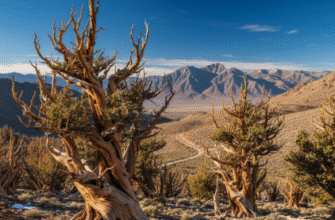
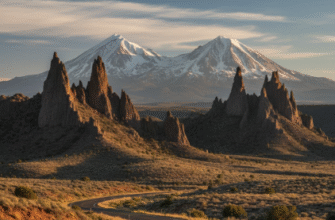
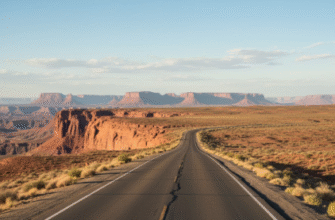
I used to think altitude was just a number on a map, something you memorized for geography tests and forgot by summer. Then I drove Mount Evans Scenic Byway in Colorado—officially the highest paved road in North America, depending on who you ask and whether you’re counting seasonal closures—and felt my ears pop so hard I thought I’d blown an eardrum. The highway climbs from Idaho Springs through bristlecone pine forests that look like they’ve been standing since the Pleistocene, give or take a few thousand years, past treeline where nothing grows except lichen and stubbornness. You pass Summit Lake at 12,830 feet, where the water’s so cold it burns, and then the road just keeps going. Turns out, building a paved road this high wasn’t even the hard part—it was convincing anyone it made sense in the first place.
The Engineering Nightmare Nobody Wanted to Admit Was Impossible
Construction started in 1917, back when “environmental impact study” meant asking if anyone saw a bear recently. The Denver Mountain Parks system wanted a tourist attraction, something to compete with Pikes Peak’s cog railway, and some engineer—probably exhausted, definitely underpaid—said sure, we can pave a road to 14,000 feet. They used convict labor and dynamite, which tells you everything about early 20th-century project management. The road opened in 1927, then got rebuilt in the 1930s by the Civilian Conservation Corps because the original version kept sliding off the mountain.
Here’s the thing: the road closes every winter. Snow accumulates in drifts that reach second-story heights, and even in July you’ll see snowbanks taller than your car. The seasonal window runs roughly Memorial Day through Labor Day, sometimes shorter if the weather turns nasty, which it does. Frequently.
What Your Body Does When Oxygen Becomes a Suggestion
At 14,000 feet, the air holds about 60% of the oxygen you’d get at sea level—not zero, but close enough that your body starts making executive decisions without consulting you first. Headaches arrive like unwelcome relatives. Your lungs work overtime. Some people get altitude sickness so severe they vomit in the parking lot, which is embarrassing but apparently common enough that the rangers don’t even look up anymore. I’ve seen tourists from Florida step out of their rental cars, take five steps, and sit down hard on the pavement, confused about why walking suddenly requires strategic planning.
The physiology is straightforward: less oxygen means your heart rate spikes, your breathing accelerates, and your brain gets foggy in ways that make you forget why you drove up here in the first place. Acclimatization helps—spend a day in Denver at 5,280 feet before attempting the summit—but some people just don’t adapt well. It’s genetic, apparently, though nobody’s figured out exactly which genes are responsible. Anyway, drink water. Everyone says that.
The Alpine Ecosystem That Shouldn’t Exist But Does
Above treeline, the tundra looks dead until you crouch down and realize it’s teeming with life that’s just very, very small and determined. Yellow-bellied marmots whistle at tourists. Pikas—tiny hamster-looking things—scurry between rocks, gathering plants for winter food stores even though winter up here lasts eight months and seems specifically designed to kill small mammals. White-tailed ptarmigan, which are grouse that turn white in winter for camouflage, peck around the parking lot looking for dropped Cheetos. The whole ecosystem operates on a metabolic shoestring, somehow persisting in conditions that would make Antarctic researchers reconsider their career choices.
Bighorn sheep show up sometimes, usually near the summit, because they like cliffs and apparently enjoy watching humans struggle with basic respiration.
Why People Keep Driving Up Despite Everything
The view from the top defenitely makes you forget about the nausea and the fifty-seven switchbacks you white-knuckled on the way up. You can see Denver, seventy miles away, looking like someone spilled a city across the plains. Mountain ranges stack up in every direction—the Continental Divide, the Sawatch Range, peaks nobody bothers naming because there are too many. On clear days, which happen more often than you’d think given Colorado’s reputation for afternoon thunderstorms, the visibility stretches past a hundred miles. The air’s so thin and clean it feels like you’re breathing purified nothing.
I guess what keeps people coming back, besides the bragging rights and the Instagram posts, is the weird accomplishment of driving somewhere most roads refuse to go. You didn’t climb Everest, but you also didn’t have to mortgage your house or risk frostbite in a place where helicopters can’t reach you. You just drove. Paid your fifteen-dollar entrance fee, navigated some terrifying hairpin turns, maybe saw a mountain goat, and stood on top of a mountain that’s been here for roughly 1.7 billion years—the Precambrian granite dates back that far, wait—maybe closer to 1.4 billion, the geology gets complicated. Either way, the mountain doesn’t care that you made it. But you do.