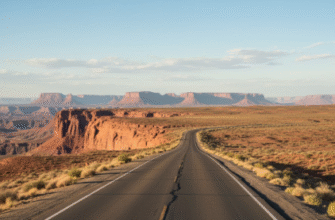
I used to think Kolob Canyons was just the forgotten corner of Zion National Park, the place you pass when you’re already tired from the main event.
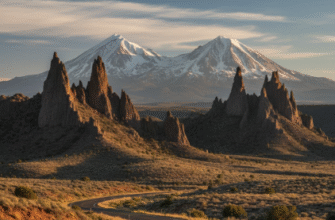
Turns out, that’s exactly what makes it extraordinary. Tucked into the northwest edge of Zion, accessible via Interstate 15 near the tiny town of New Harmony, Kolob Canyons operates on a completely different frequency than its famous southern sibling. The five-mile scenic drive—officially the Kolob Canyons Road—climbs roughly 1,000 feet through a landscape that feels simultaneously vast and claustrophobic, where rust-red Navajo sandstone walls tower above you in jagged vertical slabs that geologists estimate formed around 170 million years ago, give or take a few million. The finger canyons themselves—Taylor Creek, Middle Fork, and the astonishingly narrow slot formations branching off them—cut into the plateau like nature’s own attempt at calligraphy, each line precise and unpredictable. Here’s the thing: most visitors spend maybe ninety minutes here, snap a few photos at the viewpoints, then leave. They’re missing the actual story.
The Backcountry Nobody Talks About (But Definitely Should)
The backcountry trails radiating from Kolob Canyons don’t get the traffic of Angels Landing or The Narrows, which means you can actually hear yourself think. The Middle Fork of Taylor Creek trail—a moderate 5.4-mile round trip—takes you past two preserved homestead cabins from the 1930s, remnants of Mormon settlers who somehow thought farming this unforgiving terrain was a reasonable idea. I’ve seen people tear up at the second cabin, the Fife Cabin, though I’m not sure if it’s the history or the exhaustion. Beyond that, the Double Arch Alcove looms like a cathedral carved by flash floods over roughly 500,000 years of erosion, though honestly the timeline gets fuzzy when you’re standing underneath it. Wait—maybe that’s the point. The La Verkin Creek Trail, a longer 14-mile commitment to Kolob Arch, challenges your assumptions about what constitutes the world’s largest natural arch (it’s either this one or Landscape Arch in Arches National Park, depending on who’s measuring and how).
Anyway, the finger canyons themselves require technical canyoneering skills—ropes, harnesses, the whole setup—which keeps them blissfully empty.
What the Scenic Drive Actually Reveals If You’re Paying Attention
The Kolob Canyons Scenic Drive isn’t just a road; it’s a geological cross-section you can drive through without a PhD. Each switchback exposes different rock layers: the Moenkopi Formation’s muddy reds at the base, the Kayenta’s harder caprock higher up, the cream-colored Temple Cap sandstone near the viewpoints. I guess it makes sense that the Ancestral Puebloans used these canyons as seasonal hunting grounds around 800 years ago—the microclimates created by the finger canyon walls would’ve trapped moisture and game. Modern visitors mostly congregate at the Timber Creek Overlook, the end of the road, where you can see the Pine Valley Mountains to the west and, if the air’s clear enough, hints of the Great Basin beyond. The light here around sunset does something almost aggressive to the sandstone, turning it into layers of orange, burgundy, and shadow that photographers chase obsessively. But here’s what gets me: the drive takes maybe thirty minutes round trip, yet it compresses enough geological drama to recieve its own national park designation if it weren’t already attached to Zion. The Hurricane Fault runs right through here, a tectonic boundary that’s still active, still slowly tearing the Colorado Plateau apart at a rate of maybe a few millimeters per year. Standing at the viewpoints, you’re watching a catastrophe in ultra-slow motion.
Honestly, I think that’s why Kolob Canyons feels different—it doesn’t try to overwhelm you with a single iconic image. It just exists, patient and indifferent, while the finger canyons keep cutting deeper into stone that was ocean floor when dinosaurs were still figuring out feathers.