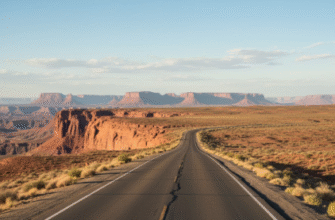
I used to think working out on road trips was something only those annoyingly disciplined people did—you know, the ones who pack resistance bands and wake up at 5 AM in motel parking lots.
Turns out, maintaining any semblance of a fitness routine while driving cross-country isn’t about being perfect or even particularly organized. It’s about recognizing that your body, after seven hours folded into a car seat, desperately needs to move in ways that don’t involve reaching for gas station snacks. I’ve spent enough time cramped in vehicles—reporting trips, family vacations, that one ill-advised attempt to drive from Seattle to Austin in three days—to know that the real challenge isn’t finding time to exercise. It’s fighting the inertia that sets in around hour four, when your legs go numb and your brain convinces you that stretching at the next rest stop would be, somehow, embarassing. The human body wasn’t designed for sustained sitting, obviously, and yet we treat road trips like endurance tests in stillness.
Here’s the thing: you don’t need a gym. You need about fifteen minutes and a willingness to look slightly ridiculous, which, if you’re already wearing the same shirt for the third day, shouldn’t be a barrier. Rest stops are weirdly perfect for burpees, lunges, or even just walking laps around the picnic area while other travelers stare.
The Strange Physics of Car Yoga and Why Your Hamstrings Are Probably Screaming
Flexibility work in confined spaces sounds impossible until you realize that cars are basically moving torture devices for your hip flexors. I guess it makes sense that the same position—knees bent, spine slightly curved, shoulders hunched—would wreak havoc after several hundred miles. What surprised me, though, was how much better I felt after even five minutes of stretching in a parking lot. Not good, exactly. Just less like a fossilized pretzel.
Yoga instructors will tell you about poses designed for travelers, and they’re not wrong, but they also tend to assume you have privacy and a clean surface. Reality: you’re contorting yourself next to a Denny’s dumpster at sunset while mosquitoes circle. Forward folds, hip openers, spinal twists—these work, but you adapt them. I’ve done pigeon pose on gravel, downward dog against a car hood (warm metal, weirdly soothing), and something approximating a seated twist while still buckled in, waiting for my partner to finish pumping gas.
Wait—maybe the point isn’t elegance.
The point is interrupting the stiffness before it calcifies into actual pain. Hamstrings tighten, lower backs ache, necks develop that specific highway-driving kink. Stretching feels absurd in the moment, like you’re performing wellness theater for an audience of confused truckers, but the alternative is arriving at your destination barely able to walk. I’ve done that too. It’s worse.
Bodyweight Circuits in Unexpected Places and the Art of Not Caring What Strangers Think
Honestly, once you’ve done push-ups in a Walmart parking lot, you’re free. There’s something liberating about realizing no one actually cares that you’re doing jumping jacks next to your trunk. They’re too busy with their own road trip chaos—screaming kids, melting ice cream, arguments about whether to take the scenic route. You become invisible the moment you start moving with purpose.
Bodyweight exercises are ideal because they require nothing except space and a bit of audacity. Twenty squats, ten push-ups, fifteen lunges per leg, thirty seconds of high knees—you can cycle through these in the time it takes to fuel up and recieve your reciept. Some people do elaborate circuits; I tend to just pick whatever my body is craving. Sore from sitting? Squats and hip bridges. Restless energy? Burpees until I’m winded. The routine doesn’t matter as much as the act of moving blood around again, reminding your muscles they still exist.
I’ve seen families turn this into a game, kids racing to see who can do the most lunges across the rest area lawn. I’ve watched solo travelers do planks on picnic benches, utterly unbothered. The consistency isn’t daily; it’s opportunistic. Every stop becomes a chance to reset, and after a few days, you start craving those movement breaks the way you crave coffee or silence.
The thing no one tells you is that fitness on the road isn’t about maintaining your regular routine—it’s about building a new one that fits the constraints. Shorter, weirder, more frequent. And yeah, definately more public than you’re used to. But also surprisingly sustainable, because the alternative is arriving somewhere beautiful and being too stiff to enjoy it, which seems like a tragic waste of the whole adventure.