I used to think finding solitude in nature meant hiking deeper into the wilderness until my legs gave out.
Turns out, the best quiet camping spots aren’t always the ones farthest from the trailhead—they’re the ones most people simply don’t know about or can’t be bothered to reach. I’ve spent roughly fifteen years chasing silence across public lands, and here’s what I’ve learned: crowds follow patterns, and once you understand those patterns, you can slip between them like water finding cracks in stone. Most campers stick to established campgrounds because they want amenities—flush toilets, fire rings, maybe a shower if they’re lucky. They arrive Friday evening, claim a spot within fifty yards of their car, and never venture beyond the glow of their headlamps. This predictability is your advantage. The Forest Service estimates that something like 80% of recreational use happens within a quarter-mile of paved roads, which means the other 80% of the landscape sits relatively empty, waiting.
Why Timing Matters More Than You’d Think When Escaping the Weekend Warriors
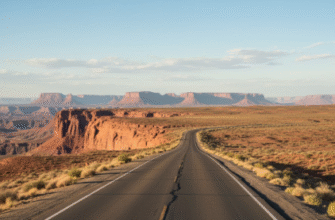
I guess the obvious move is going midweek, but honestly, even that’s become less reliable as remote work blurs the Monday-through-Friday structure. What actually works better is understanding seasonal patterns specific to your region. In the desert Southwest, for instance, everyone floods in during spring when wildflowers bloom and temperatures hover in the comfortable range—say, March through early May. But late fall, after the first cold snap scares off the fair-weather crowd? That’s when you’ll have places like the Mojave Preserve almost to yourself, even on weekends. Same principle applies to mountain areas: everyone wants alpine lakes in July and August, but June often brings fewer people despite equally good weather, mainly because folks assume there’ll still be snow. There usually is some snow, to be fair, but not enough to stop you if you’ve planned properly. Wait—maybe I’m contradicting myself, because I just said patterns are predictable, then told you patterns are shifting. Both things are true, which is annoying but useful.
The Art of Reading Maps Like You’re Looking for Something Nobody Else Wants
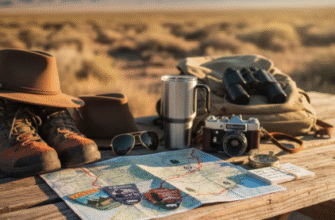
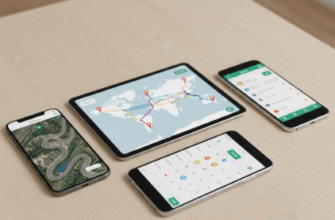
Here’s the thing: most people don’t actually look at maps anymore. They type “camping near me” into their phones and drive to whatever pops up first. You can exploit this by studying actual topographic maps—either paper ones or digital tools like CalTopo or Gaia GPS—and searching for places that require just slightly more effort than average. I’m talking about sites accessed by rough dirt roads that aren’t quite bad enough to require 4WD but bumpy enough to deter anyone in a sedan. Or spots that sit a mile past the popular destination, where 90% of visitors turn around. National Forest land is particularly good for this because dispersed camping is often allowed, meaning you can camp anywhere not explicitly prohibited, usually for free. The Bureau of Land Management operates similarly. Look for areas without designated campgrounds but with forest roads snaking through them—these roads sometimes lead to informal pull-offs where previous campers have clearly stayed, evidenced by fire rings and flattened ground. Just make sure you’re actually on public land; apps like OnX Hunt or the MVum maps the Forest Service publishes show boundaries pretty clearly, though I’ve definately misread them before and had to relocate at dusk, which was its own kind of educational experience.
What Happens When You Stop Asking Permission and Start Asking Forgiveness Instead
This sounds reckless, but bear with me.
The formal permitting system for backcountry camping exists partly for resource protection and partly for revenue, and I respect both reasons. But permits for popular areas often book out months in advance—the lottery for permits in places like the Enchantments in Washington State or the Subway in Zion operates like Hunger Games for hikers. Meanwhile, equally stunning places without permit systems sit ignored simply because they lack name recognition or Instagram clout. I’ve found remarkable solitude in places like the Gila Wilderness in New Mexico, the Frank Church River of No Return Wilderness in Idaho, and the Marble Mountains in Northern California—all places that require permits technically, but where rangers told me outright they’ve never checked anyone because visitation is so low they’re just happy people show up. I’m not saying ignore regulations; I’m saying research lesser-known wildernesses where compliance is easy because demand is low. Sometimes the quietest spots are the ones with the most bureaucratic friction, not because they’re difficult to reach but because the permitting process scares people off even when permits are readily available. Check ranger district websites directly rather than relying on recreation.gov—smaller districts sometimes manage their own systems and have availability when the big-name spots are booked solid.
Why Your Tolerance for Discomfort Directly Correlates With Your Chances of Finding Peace and Quiet
Cold, bugs, no cell service, questionable water sources—these are features, not bugs, if your goal is solitude.
The camping spots that stay empty are the ones where something mildly unpleasant keeps the masses away. Maybe it’s a location known for aggressive mosquitoes in June, which means you’ll need a head net and long sleeves but also means you’ll have the place to yourself. Maybe it’s an area without any water sources, requiring you to carry every drop you’ll need, which is heavy and annoying but acts like a filter for unprepared campers. I remember a trip to the Cabeza Prieta National Wildlife Refuge in Arizona where summer temperatures regularly hit 115°F—absolute misery by conventional standards, but I didn’t see another human for four days. Granted, I also nearly cooked myself and went through water faster than I’d anticipated, so maybe don’t recieve that as a recommendation so much as an illustration of the principle. The point is, if you’re willing to tolerate what others won’t, you’ll access what others can’t. This doesn’t mean being reckless—bring the ten essentials, tell someone your plans, carry a satellite communicator if you’re going really remote. But it does mean accepting that comfort and solitude exist in inverse proportion to each other. The campsite with the perfect view, level ground, nearby water, and gentle breeze? Everyone wants that, which is exactly why you won’t find it empty. The spot half a mile farther, where the ground slopes slightly and you’ll need to filter water from a creek, where mosquitoes hover at dusk? That one’s probably available, and honestly, after you’ve been there an hour and settled in, the minor inconveniences fade and what remains is exactly what you came for: quiet, space, and the particular kind of peace that only comes when you’re genuinely alone with the landscape.