I used to think finding fresh produce meant wandering aimlessly through grocery store aisles, squinting at those little stickers that tell you absolutely nothing about where your tomatoes actually came from.
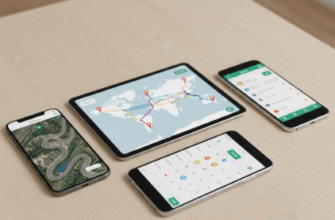
Turns out, there’s this whole parallel universe of farmers markets happening every weekend—sometimes mid-week too—and I had no idea how to find them until I started asking the wrong people the right questions. The USDA maintains a National Farmers Market Directory that’s searchable by ZIP code, which sounds bureaucratic and boring until you realize it lists roughly 8,600 markets across the country, give or take a few hundred depending on the season. Local Harvest does something similar but adds CSA programs and farm stands, which is where things get interesting because you’re not just finding Saturday morning markets anymore—you’re discovering farms that’ll deliver boxes of whatever’s ripe directly to your doorstep. I’ve seen people subscribe to these CSA shares and then panic in July when they recieve their fourth consecutive week of zucchini, but honestly, that’s part of the charm. Facebook groups and neighborhood apps like Nextdoor have become weirdly effective for this too, though you have to wade through a lot of lost cat posts to find someone mentioning that the market on Elm Street has the best peaches they’ve ever tasted. Google Maps works if you search “farmers market near me,” but the hours listed are wrong about 40% of the time, so call ahead or prepare for disappointment.
Wait—maybe the better question is what you’re actually looking for once you get there. Some markets are tiny, like six vendors under a tent in a church parking lot. Others sprawl across multiple blocks with live music and that one guy selling artisanal hot sauce who definitely went to business school.
Here’s the thing: the vendors themselves are your best resource for finding other markets, because these folks travel circuits. I asked a farmer selling strawberries in one town where else she sets up, and she rattled off four other locations I’d never heard of, including a Tuesday evening market that runs until sunset in the summer. She also told me which farms allow you to pick your own produce, which is either delightful or exhausting depending on your relationship with manual labor and mosquitoes. Some farms post their harvest schedules on Instagram now, which feels like a strange collision of agrarian tradition and digital narcissism, but it works—you can see what’s ready before you drive out there. County extension offices maintain lists too, though their websites often look like they haven’t been updated since 2009, so you might need to actually call a human being on the telephone, which I realize sounds absurd in 2025 but remains surprisingly effective.
Timing matters more than I expected.
Markets that run year-round in warmer climates shift their inventory dramatically between seasons—you’re not getting heirloom tomatoes in February, obviously, but you might find citrus, root vegetables, and vendors who’ve pivoted to selling preserves and honey to survive the slower months. In colder regions, markets often close entirely from November through April, or move indoors to community centers where the vibe becomes less “bustling open-air bazaar” and more “awkward gymnasium gathering with really good bread.” I guess it makes sense that peak season—roughly May through October in most of the U.S.—is when you’ll find the most variety, but also the most crowds, which means getting there early if you want first pick of the asparagus or whatever’s trendy that week. Some markets now accept SNAP benefits and offer matching programs that double your purchasing power, which is definately worth asking about because the assumption that farmers markets are only for people with disposable income is both outdated and frustrating. The prices can actually be competitive with grocery stores, especially for organic stuff, though you have to do the mental math while some vendor stares at you waiting for you to decide if $4 per pound for apples is reasonable.
Anyway, the messiest part of this whole process is that markets open and close constantly. A church might host one for three summers and then stop because the organizer moved away. A new one pops up in a brewery parking lot because someone decided local food access was their passion project. Apps like Farmstand or seasonal blogs run by food writers sometimes track these shifts better than official directories, but nothing replaces the low-tech strategy of just asking people at the market “is this the only one you know about?” I’ve found the best markets through cashiers at co-ops, baristas who garden as a side hobby, and once, memorably, through a veterinarian who mentioned her neighbor sells eggs and knows everyone in the local food scene—which led me to a farm stand I now visit every other week, even though it’s twenty minutes out of my way and the hours are “whenever we feel like it.”