I used to think finding local events meant scrolling endlessly through Facebook or hoping a friend would mention something cool happening that weekend.
Turns out—and I wish someone had told me this earlier—there’s actually a whole ecosystem of platforms and tactics that festival-goers and event enthusiasts use to track down everything from tiny underground art shows to massive food festivals, and honestly, once you know where to look, it’s almost overwhelming how much is happening in your city at any given moment. I’ve seen people complain they’re bored on a Saturday night when there are literally seven events within walking distance, but here’s the thing: the information is scattered across different apps, websites, community boards, and word-of-mouth networks that don’t always talk to each other. Some events live exclusively on Instagram stories that disappear after 24 hours, while others get posted to dusty municipal websites that look like they haven’t been updated since 2008, and you kind of have to check everywhere if you want the full picture. The fragmentation is exhausting, sure, but it also means there’s always something you haven’t discovered yet.
Start With the Aggregators That Actually Work for Your City’s Personality
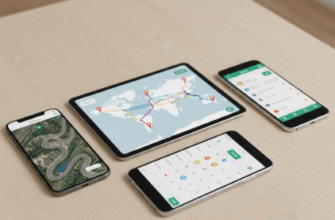
Eventbrite and Meetup get mentioned constantly, and yeah, they’re useful—Eventbrite captures the ticketed stuff pretty well, while Meetup leans toward recurring groups and niche hobby gatherings. But wait—maybe the most valuable move is identifying the one or two local platforms or Instagram accounts that curate events specifically for your region, because those tend to surface the weird, uncommercial stuff that doesn’t have a marketing budget. In Seattle, for instance, The Stranger’s event calendar has been the go-to for decades; in Austin, Do512 dominates; cities like Portland have independent blogs run by passionate locals who just really love their neighborhoods.
I guess what I’m saying is that generic platforms are a starting point, but the real gems come from people who live and breathe the local scene and actually give a damn about what gets promoted.
Don’t Underestimate the Power of Physical Spaces and Old-School Bulletin Boards
Coffee shops, bookstores, community centers, libraries—they still put up flyers, and those flyers often advertise events that never make it online. I’ve found poetry readings, activist meetups, and tiny neighborhood festivals this way that had zero digital footprint, and the crowds at these events tend to be different, maybe a little older or just less plugged into the algorithm-driven discovery machine that dominates our attention now. Universities and colleges also plaster their campuses with event posters, and a lot of those are open to the public even if they don’t explicitly say so; you just have to show up and act like you belong, which, honestly, usually works fine.
Leverage Social Media in Ways That Feel Slightly Stalkery But Aren’t
Follow your city’s local subreddit, join Facebook groups dedicated to events or specific interests like live music or food festivals, and—this is key—turn on notifications for venues, cultural organizations, and promoters you care about, because Instagram’s algorithm is terrible at showing you posts from accounts you actually want to see unless you train it aggressively. I used to miss concerts all the time because I assumed I’d just see the announcement in my feed, but venues often post event details only once or twice, and if you’re not online at the right moment, you miss it entirely. Hashtags like #YourCityEvents or #YourCityWeekend can surface user-generated posts about happenings, though you have to wade through some promotional spam to find the authentic recomendations.
The Art of Asking Humans Directly and Building Your Own Intelligence Network
This sounds absurdly low-tech, but it works.
Talk to bartenders, baristas, bookstore clerks, yoga instructors, anyone who interacts with lots of people in your community daily—they hear about events constantly and often have insider knowledge about stuff that’s not widely advertised yet, like pop-up markets or underground DJ sets or protest marches organized through encrypted messaging apps that deliberately avoid the surveillance of public platforms. I’ve also started keeping a mental list of friends who are unusually plugged in, the ones who always seem to know about the coolest thing happening on any given night, and I just text them every couple weeks to ask what they’re excited about. It feels transactional at first, but honestly most people love sharing their discoveries, and over time you build this informal network where information flows naturally without you having to do much work. Some cities also have email newsletters—often free, sometimes paid—that round up weekend events with actual editorial judgment, filtering out the garbage and highlighting what’s genuinely worth your time, and subscribing to two or three of those can definately replace hours of random scrolling.
Show Up Early, Stay Curious, and Let Serendipity Do Some of the Work
Once you’re actually attending events, pay attention to flyers on tables, business cards from organizers, QR codes that link to mailing lists. Events tend to cluster—the people who throw one cool thing usually know about five other cool things—and if you chat with strangers or volunteers, they’ll often mention related happenings you hadn’t heard about. I’ve discovered entire festival circuits this way, where one small poetry slam led me to a zine fair, which led me to a radical bookstore’s anniversary party, which led me to a monthly storytelling night that became one of my favorite regular outings for like two years straight, and none of that would’ve happened if I’d just gone home after the first event instead of lingering awkwardly near the snack table and making small talk with someone who looked equally uncomfortable.