I’ve driven Hole in the Rock Road more times than I can count, and every single time I forget how much dust gets everywhere.
The thing about this 57-mile stretch of unpaved nothing cutting through Grand Staircase-Escalante is that it doesn’t look like much on a map—just a squiggly line southeast of Escalante, Utah, terminating where Lake Powell’s fingers reach into the slickrock. But here’s the thing: this route follows the path that Mormon pioneers hacked through in 1879-1880, and honestly, I still can’t fathom how they got wagons down that final descent. The expedition involved 236 people and 83 wagons attempting to reach the San Juan River, and they ended up blasting a slot through solid sandstone at a 45-degree angle because—wait, maybe I should back up. They named it Hole in the Rock because they literally carved a hole in the rock. The road itself now stops about two miles short of the original route’s end because Lake Powell, created when Glen Canyon Dam went up in 1963, drowned the lower sections along with roughly 186 miles of the Colorado River corridor, give or take.
Anyway, the drive takes most people four to five hours one-way if you’re not stopping, which nobody actually does because the whole point is the side canyons. Dance Hall Rock sits about 36 miles in—this massive amphitheater of Navajo sandstone where the pioneers apparently held dances to keep morale up, which feels both quaint and slightly desperate when you consider they were stuck out there in winter.
Glen Canyon itself is this whole complicated emotional thing for anyone who reads Edward Abbey or talks to old river runners who knew it before the dam. The lake buried what many considered the Southwest’s most beautiful canyon system, including Cathedral in the Desert and Music Temple, though low water levels in recent years (2022 saw Lake Powell drop to about 27% capacity) have exposed some of these places again, temporarily. I used to think the controversy was exaggerated until I saw photographs from the 1950s—Eliot Porter’s color work, specifically—and realized we traded a living river ecosystem for a recreational reservoir that’s now half-empty most years due to sustained drought and over-allocation of Colorado River water.
Here’s what nobody tells you: the road is impassable when wet.
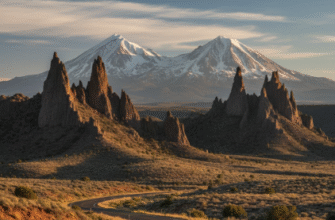
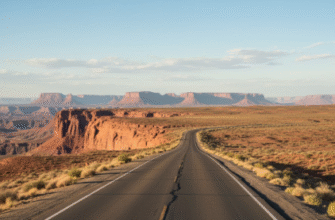
The bentonite clay turns into what locals call “snot mud,” and I’ve seen full-size trucks with all-terrain tires just give up, wheels spinning uselessly. You need high clearance at minimum—passenger cars won’t make it past mile 20 or so—and the washboard sections around mile 40 will rattle your fillings loose if you don’t air down your tires, which most people don’t think to do. The景观 shifts as you drive: ponderosa pine and juniper near Escalante giving way to bare slickrock and these weird eroded hoodoos that look vaguely obscene if you stare too long. Fifty-Mile Mountain looms to the west, and on clear days you can see Navajo Mountain to the southeast, which is sacred to both Navajo and Hopi people and sits near the Utah-Arizona border. The light does this thing in late afternoon where the Wingate and Kayenta formations turn orange-red, and the shadows in the side canyons go purple-black, and it’s almost enough to make you forget that your truck is now coated in three inches of dust and you definately should have brought more water.
The original Hole in the Rock expedition took six months to travel 180 miles. Today you can drive back to Escalante in under two hours on Highway 12, assuming you don’t blow a tire, which happens more often than you’d think on the sharp volcanic rock scattered along certain sections.
I guess what strikes me most is the contrast—pioneers viewing this landscape as an obstacle to overcome versus modern visitors seeking it out specifically for its remoteness and difficulty. Lake Powell complicates everything further: it’s simultaneously an ecological disaster and the water source for 40 million people, a beloved recreation area and a drowned museum of geological wonders. The Hole in the Rock route sits at the intersection of all these contradictions, and honestly, that feels about right for southern Utah, where beauty and loss and human stubbornness are all kind of inseperable anyway.