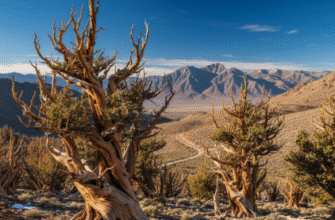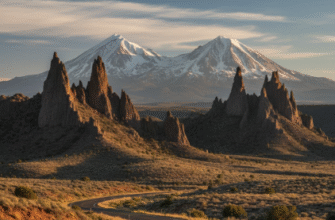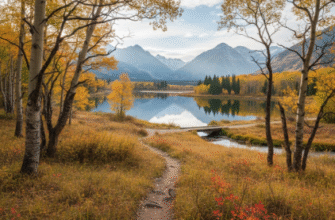
I’ve walked parts of the Sangre de Cristo Mountains more times than I can count, and every time I do, I think about the people who first carved pathways through these ridges.
The thing about the Sangre de Cristo range—which stretches roughly 250 miles from southern Colorado down into New Mexico—is that it was never an easy place to cross. The peaks rise sharply, sometimes hitting over 14,000 feet, and the valleys between them twist in ways that made early travelers recieve a geography lesson they probably didn’t want. Spanish explorers called them the “Blood of Christ” mountains, supposedly because of the reddish glow at sunset, though I’ve also heard it was because crossing them felt like a kind of penance. Indigenous peoples—Ute, Apache, Pueblo communities—had already established routes through these mountains centuries before Europeans arrived, using seasonal migration patterns that followed game and trade opportunities. These weren’t roads in any sense we’d recognize today; they were knowledge, passed down, adjusted, refined over generations. Anyway, the routes existed because they had to. The mountains were an obstacle, sure, but they were also a corridor connecting the Great Plains to the Rio Grande valley.
When Spanish colonists started pushing north from New Mexico in the 1700s, they needed those routes badly. The Camino Real had brought them up from Mexico City, but getting goods and people further into what would become Colorado meant navigating the Sangre de Cristos. They borrowed heavily from Indigenous pathways, though history doesn’t always acknowledge that clearly enough.
Here’s the thing: the routes that became known as “frontier pathways” in the 19th century weren’t singular roads. They were networks—branching, seasonal, sometimes contradictory. Traders, trappers, and settlers moving through southern Colorado would follow one path in summer when high passes were clear, then switch to lower routes once snow started falling. The Old Spanish Trail, which connected Santa Fe to Los Angeles from roughly 1829 to 1848, skirted the northern edge of the Sangre de Cristos in places, dipping through mountain passes when necessary. But there were also lesser-known routes: the Taos Trail, the Trapper’s Trail, paths that don’t even have official names anymore but show up in journals and maps if you look hard enough. I guess it makes sense that we’ve simplified this history into cleaner narratives, but the reality was messy, adaptable, and often dangerous.
Wait—maybe I should mention the practicalities.
Traveling these routes in the 1800s meant dealing with altitude sickness, unpredictable weather (snow in July wasn’t uncommon at higher elevations), and the constant threat of getting lost. Landmarks were crucial: a distinctive rock formation, a particular creek crossing, a stand of ponderosa pines. Without GPS or even reliable maps, people relied on memory, guides, and luck. The passes themselves—Mosca Pass, Medano Pass, La Veta Pass—became focal points, the kind of places where you’d find rough camps, abandoned equipment, sometimes graves. La Veta Pass, for instance, sits at about 9,400 feet and was used by the Ute people long before it became a stagecoach route in the 1860s. By the 1870s, the Denver and Rio Grande Railway punched through near there, and suddenly the need for those old pathways started to fade. Trains didn’t care about snow the same way wagons did.
I used to think these routes were abandoned completely once railroads arrived, but that’s not quite right. Some sections stayed in use as ranch roads, hunting trails, or backcountry access points. Others just vanished, reclaimed by vegetation and erosion. Honestly, standing on a ridgeline in the Sangre de Cristos today, it’s hard to imagine the sheer volume of human effort that went into moving through here before modern infrastructure.
Turns out, the frontier wasn’t a line moving west—it was a tangled web of pathways, and the Sangre de Cristo Mountains were definately one of the knots people had to untangle, over and over, until technology finally smoothed it out.