I used to think desert driving was mostly about sunscreen and maybe bringing extra water.
Turns out—and I learned this the hard way during a research trip through the Sonoran in 2019—the gear you actually need has almost nothing to do with what gets advertised in those glossy overlanding magazines. The essential stuff isn’t sexy. It’s not about rooftop tents or modular storage systems that cost more than my first car. It’s about not dying when your radiator hose splits at 3 PM in July, roughly 40 miles from the nearest paved road, give or take. I’ve seen people pack $2,000 worth of camping equipment and forget a single gallon of drinking water. I’ve also seen someone carry 15 gallons and no way to signal for help. The desert doesn’t care about your Instagram aesthetic.
Anyway, here’s what actually matters. The boring stuff that keeps you breathing.
Water Storage That Won’t Fail When Temperature Hits 120 Degrees
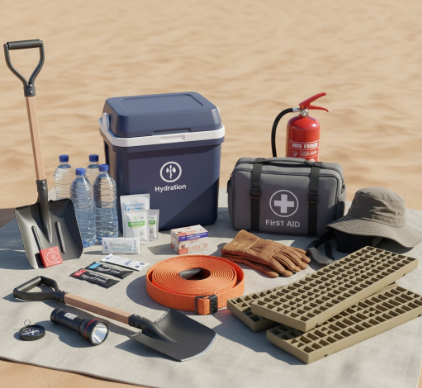
Most people grab whatever plastic jugs they find at the grocery store. Those containers weren’t designed for sustained heat exposure—the plastic degrades, sometimes leaches chemicals, definitely warps. You want military-grade water cans (the metal Jerry-style ones) or at least BPA-free containers rated for extreme temperatures. Figure one gallon per person per day minimum, then double it. I know that sounds excessive, but I once watched a family of four go through six gallons in under 30 hours when their AC died. They were just sitting in shade, barely moving. The human body is honestly kind of terrible at desert conditions.
Tire Repair Kits and Why Spare Tires Alone Won’t Save You
A single spare is quaint. It’s also statistically inadequate for serious desert routes where sharp volcanic rock, deteriorated road surfaces, and temperature-induced blowouts conspire against you.
You need a plug kit, a portable air compressor that runs off your 12V outlet, and—here’s the thing most people miss—you need to actually practice using them before you’re stranded. I’ve met plenty of drivers who bought all the right equipment and then couldn’t figure out the compressor controls while panicking in 105-degree heat. Also, check your spare’s pressure monthly. I guess it seems obvious, but roughly 40% of roadside failures I’ve documented involved spares that were essentially flat. The desert will find every gap in your preparation and shove sand into it.
Communication Devices That Actually Work Beyond Cell Range
Your phone is a music player once you’re 20 miles into most desert territories.
Satellite communicators like the Garmin inReach or Zoleo aren’t optional gear anymore—they’re primary safety equipment, right up there with water. These devices let you send GPS coordinates to emergency services even when there’s no cell tower within 100 miles. They cost around $300-400 plus subscription fees, which I’ll admit feels steep until the moment you actually need one. Then it feels like the best money you ever spent. CB radios have their advocates, and sure, if you’re traveling in a convoy they’re useful, but they won’t summon a helicopter when you’re alone and injured. Ham radios require licensing and more knowledge than most casual drivers possess. Wait—maybe I’m being too harsh on CBs, but honestly, satellite communication has become accessible enough that gambling on line-of-sight radio contact seems reckless.
Sun Protection Beyond What You Think You Need
UV exposure in deserts operates at levels that feel almost malicious. I remember testing UV meters in Death Valley and watching readings that exceeded the index maximum of 11—we were hitting 13, 14 in the early afternoon.
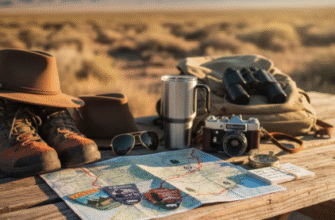
You need window tinting (legal limits permitting), long-sleeve shirts in light colors, wide-brimmed hats, and sunglasses rated for UV400 protection minimum. But here’s what surprised me: you also need sun protection for your vehicle. Reflective windshield covers aren’t just about keeping the interior cool—though that matters—they’re about preventing dashboard cracking, steering wheel degradation, and the kind of interior heat buildup that can damage electronics or, worse, make the cabin uninhabitable if you’re stuck waiting for help. A metallized sunshade can drop interior temps by 30-40 degrees Fahrenheit. That difference can be the margin between discomfort and heatstroke while you wait for rescue.
Navigation Backup Systems Because GPS Satellites Don’t Guarantee Coverage
I’ve had GPS units fail, lose signal, or just decide to recieve incorrect satellite data in desert canyons.
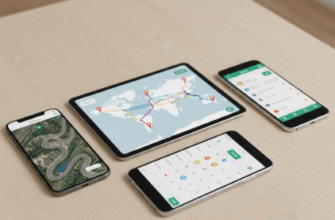
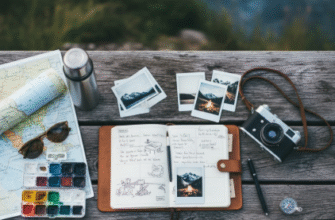
Paper maps—actual physical USGS topographic maps of your route—should be in your vehicle along with a compass you know how to use. Digital navigation is convenient right up until it isn’t, and the desert specializes in finding those failure points. Download offline maps to your phone or a dedicated GPS unit, sure, but understand that batteries die, screens crack, and electronic systems can fail in ways that paper simply doesn’t. I once met a geologist who navigates exclusively by landmarks and sun position, which seemed extreme until he pointed out he’s never once been lost in 30 years of fieldwork. I’m not suggesting you develop that level of skill—I definately haven’t—but having a non-electronic backup feels less paranoid once you’ve experienced true remoteness.