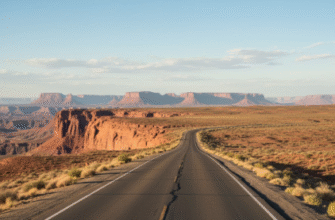
The thing about driving into Chinle is that nobody warns you about the silence.
When the Sandstone Walls Start Talking Back to You
I’ve been to Canyon de Chelly maybe three times now, and every single visit I forget how the approach works—how Arizona’s high desert just sort of opens its mouth and swallows you into something older than your brain can really process. The Chinle Trail isn’t technically a trail in the hiking sense; it’s more like a ribbon of asphalt that winds through Navajo Nation land, past trailers and hogans and hand-painted signs selling fry bread, until suddenly you’re staring down into a canyon system that’s been carved out over roughly 2 million years, give or take a few hundred thousand. The rock layers—Chinle Formation, mostly—date back to the Triassic period, when this whole area was a river delta swarming with early dinosaurs and giant amphibians. Now it’s home to Navajo families who’ve lived here for centuries, tending orchards at the canyon floor, and the juxtaposition between deep geologic time and living human presence is honestly kind of overwhelming if you let yourself think about it too long.
Anyway, you can’t just drive down into the canyon unless you hire a Navajo guide.
This is Navajo Nation land, and the rules are clear: White House Ruins Trail is the only route you can hike solo, and even that one requires you to stay on the path and not touch anything. Every other access point—Spider Rock overlook, Antelope House, the winding dirt roads that lead to petroglyphs left by the Ancestral Puebloans between roughly 200 and 1300 CE—requires a guide, and for good reason. The canyon isn’t a museum; people still live and farm down there, and the cultural sites are sacred. I used to think this was just bureaucratic caution, but then I spent an afternoon with a guide named Harrison who explained how his grandmother’s peach trees grow in the same soil where his ancestors built cliff dwellings 800 years ago, and I realized—wait, maybe the point isn’t to make it easy for tourists like me.
What Spider Rock Actually Looks Like When You’re Standing There Trying Not to Cry
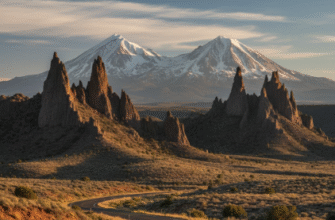
Here’s the thing: photographs do not prepare you for Spider Rock. The formation rises about 800 feet from the canyon floor—a single sandstone spire that looks like it was extruded from the earth by some geologic pasta maker. In Navajo tradition, it’s where Spider Woman lives, the deity who taught the Diné people how to weave. Standing at the overlook, you can see the white cap on top (which, legend says, is the bleached bones of misbehaving children, though geologically it’s just mineral deposits), and the way the light hits the red rock in the late afternoon creates this effect where the whole canyon seems to glow from within. I’m not usually prone to that kind of reaction, but I definately felt something shift in my chest—maybe exhaustion from the drive, maybe awe, maybe just the altitude messing with my oxygen levels.
The drive itself takes you along the South Rim Drive and North Rim Drive, each about 15-20 miles of paved road with pullouts at named overlooks. You’ll pass Junction Overlook, where Canyon de Chelly meets Canyon del Muerto (“Canyon of the Dead,” named after an 1882 archaeological expedition found mummified remains). You’ll see Mummy Cave Ruin, a massive Ancestral Puebloan structure with roughly 80 rooms built between 300 and 1300 CE. The whole route is free to drive, which still surprises me given how extraordinary it is, but I guess that’s the Navajo Nation’s gift to visitors—access to the rim, the views, the chance to witness something that reconfigures your sense of scale.
Honestly, I keep thinking about the families still living down there. Modern life layered over ancient stone.
You can arrange guided tours in Chinle—jeep tours, horseback rides, even overnight camping trips if you want the full experience of sleeping under that impossible sky. The town itself is small, a little worn, with a handful of motels and a grocery store and not much else. It exists primarily as a gateway, which feels slightly unfair to the people who actually live there year-round, but tourism economics are what they are. If you go, bring water, respect the signs, and maybe prepare yourself for the possibility that the canyon will outlast every single thing you’ve ever worried about. Turns out sandstone has a way of putting human anxieties in perspective, whether you’re ready for it or not.