The first time I drove through Cathedral Gorge, I honestly didn’t expect much.
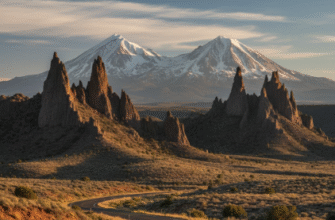
Here’s the thing about Nevada’s state parks—they exist in this weird liminal space where geologists get genuinely excited and everyone else sort of shrugs and says “it’s nice, I guess.” But Cathedral Gorge, tucked into a valley about 170 miles northeast of Las Vegas near Panaca, is something different entirely. The clay formations here are roughly one million years old, give or take a hundred thousand years, and they’ve been carved by water and wind into what looks like—wait, maybe I’m getting ahead of myself. The spires and slots and narrow passageways twisting through buff-colored bentonite clay create this almost Gothic architecture, hence the name, though honestly the comparison feels both apt and completely insufficient when you’re actually standing there.
I used to think erosion was this slow, gentle process. Turns out that’s only sometimes true. The formations change noticeably year to year, especially after the rare desert thunderstorms that dump water into the drainage system.
When Ancient Lake Clover Decided to Disappear and Leave Behind Something Spectacular
So about a million years ago—and geologists will argue about the exact timing, they always do—there was this massive freshwater lake covering the area called Lake Clover. It sat there accumulating sediments: silt, volcanic ash, clay particles settling in horizontal layers like some kind of geological mille-feuille. Then the climate shifted, the lake dried up, and what remained was this thick deposit of soft sedimentary rock that was just begging to be carved apart. Which is exactly what happened. The thing that gets me is how *fast* it happens in geological terms—these formations are babies compared to something like the Grand Canyon, yet they’re already this intricate. The erosional patterns follow natural weaknesses in the rock, creating slot canyons so narrow you have to turn sideways, and cathedral-like chambers that echo when you shout into them, though the park rangers definately prefer you don’t test that too often.
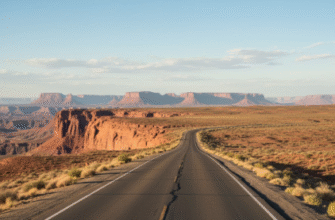
The drive itself is deceptively simple. You take US-93 north from the Las Vegas area, veer onto State Route 317 or 319 depending on which way you’re coming from.
Why Your Car Will Probably Be Fine But Your Expectations About Nevada Might Not Be
Most people think Nevada is just sagebrush and casinos. I mean, there’s plenty of both, but between Panaca and Caliente you’re driving through Basin and Range topography that tells a story about tectonic stretching and fault-block mountains that started maybe 20 million years ago. The valley where Cathedral Gorge sits is a graben—basically a down-dropped block between two faults—and that geological accident is part of why the formations are exposed and accessable today. The park itself has a paved loop road, so you don’t need some massive 4×4 setup, just a normal vehicle and maybe some patience because the park is small and you’ll want to actually get out and walk. There are hiking trails—Miller Point offers the best overview, though the Cathedral Caves Trail takes you right into the formations where you can touch the clay walls and feel how surprisingly solid they are despite looking fragile.
The light changes everything, by the way.
Early morning or late afternoon is when the low-angle sun hits those vertical walls and suddenly the buff color shifts to amber and orange and you start understanding why landscape photographers obsess over this place. I’ve seen it at midday too, which is fine but kind of washes out the drama—the shadows disappear and everything flattens visually even though the three-dimensional space is still there. The temperature matters too: summer can hit 100°F easily, and that clay absorbs heat like you wouldn’t believe, so spring or fall is more comfortable. Winter works if you don’t mind cold, though snow is rare and usually melts fast when it does show up.
The Part Where Science Meets the Weird Satisfaction of Watching Rocks Crumble in Real Time
There’s this slightly unsettling aspect to Cathedral Gorge that nobody really mentions in the brochures. The formations are *actively* eroding. You can sometimes see fresh rockfall, new cracks appearing, sections that were accessible five years ago now blocked off because the passage collapsed. It creates this strange tension—you’re looking at something beautiful and ancient but also fundamentally temporary in a way that feels more immediate than, say, visiting the Grand Canyon. Geologists have documented changes using repeat photography, showing spires that shortened by several feet, arches that fell, new slots that opened. The clay weathers differently than sandstone or limestone; it’s softer, more vulnerable to moisture cycling and temperature changes. When water does penetrate—and it does, despite the desert climate—the bentonite clay can swell and then contract as it dries, creating mechanical stresses that eventually fracture the rock. Rain is rare here, maybe 6 inches annually, but when storms hit they’re often intense and the runoff does serious work.
I guess what I’m saying is, if you’re going to drive out there, go sooner rather than later. The formations will still exist in a decade, but they won’t look quite the same—and isn’t that kind of the point? Erosion doesn’t pause for tourism. It just keeps sculpting, indifferent to whether anyone’s watching.