I used to think camping gear was just about sleeping bags and maybe a decent flashlight.
Turns out, the difference between a road trip that feels like an adventure and one that feels like a slow-motion disaster often comes down to the stuff you didn’t think you’d need until 2 a.m. in a rest stop parking lot with no cell service. I’ve talked to enough people who’ve done multi-week road trips—some planned meticulously, others who just threw everything in the trunk and hoped—and the patterns are pretty clear. The gear that matters isn’t always the gear that looks cool on Instagram. It’s the stuff that solves problems you didn’t know you’d have, like the tarp that keeps your entire setup dry when the weather forecast lied to you for the third night in a row, or the little camp stove that still works when everything else is damp and you just need coffee to function.
Here’s the thing: you can’t predict every scenario, but you can cover maybe 80% of the common ones with the right basics. The people who seem to have the best trips aren’t necessarily the ones with the most expensive gear—they’re the ones who brought the right mix of versatility and redundancy.
The Unsexy Essentials That Actually Keep You Comfortable and Safe Out There
Water storage is one of those things nobody thinks about until they’re rationing their last bottle.
You need way more water capacity than you think—I’m talking collapsible jugs that hold 5-7 gallons minimum, plus a couple of insulated bottles for drinking throughout the day. Dehydration sneaks up on you when you’re driving long stretches through desert or high-altitude areas, and finding potable water isn’t always as easy as pulling into a gas station. Some road trippers I know swear by portable water filters or purification tablets as backup, especially if they’re planning to camp near streams or lakes. It adds weight, sure, but the alternative is either constant anxiety about running out or spending a fortune on bottled water at every stop. A basic first aid kit is non-negotiable—not the tiny hotel ones, but something with bandages in multiple sizes, antiseptic wipes, pain relievers, tweezers for splinters or ticks, medical tape, and any prescription meds you need. Add a emergency blanket or two, because they weigh almost nothing and can be lifesavers if someone goes into shock or you need extra insulation.
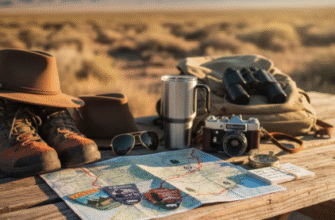
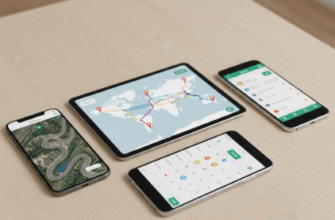
Navigation tools sound old-fashioned in the age of smartphones, but batteries die and signal drops in remote areas happen more than you’d expect. A paper atlas or printed maps of your route and backup routes give you options when your phone becomes a useless rectangle. I guess it feels paranoid until you’re somewhere in rural Montana with 2% battery and no idea which dirt road actually connects to the highway.
Lighting is another thing people underestimate—a single flashlight isn’t enough. You want a headlamp for hands-free tasks like setting up a tent in the dark or cooking, plus a lantern that can light up your entire camp area, plus a backup flashlight because batteries fail at the worst possible times. LED options last longer and some have red-light modes that preserve your night vision, which matters more than you’d think when you’re navigating unfamiliar terrain after sunset. Fire-starting supplies should include waterproof matches, a couple of lighters (store them separately), and maybe a ferrocerium rod if you want redundancy, because wet wood and wind can make even experienced campers feel helpless. Wait—maybe that sounds excessive, but I’ve seen too many people stuck eating cold beans because their single lighter got wet.
The Gear That Transforms Roughing It Into Something You Might Actually Enjoy Repeatedly
Sleeping comfort makes or breaks your trip.
A quality sleeping pad matters more than the sleeping bag itself for most three-season camping—your body compresses insulation underneath you anyway, so you lose heat to the ground without proper padding. Look for pads with R-values around 3-4 for versatility, or go higher if you’re heading to cold areas. Memory foam car camping pads are bulkier but offer hotel-level comfort if you have cargo space. Honestly, I used to think people who brought elaborate sleep systems were precious about comfort, but after a few nights waking up sore and exhausted, I get it now. Your vehicle becomes your base camp, so organization systems like plastic bins, hanging organizers, or cargo nets keep essential items accessible instead of buried under everything you own. The people who seem most relaxed on long trips are usually the ones who can find their headlamp or snacks without unpacking their entire car.
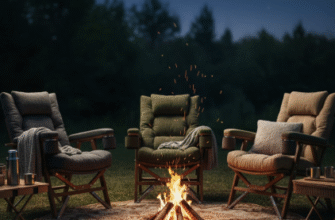
A multi-tool or quality knife handles hundreds of small tasks—opening packages, cutting rope, minor repairs, food prep. Camp chairs seem optional until you’ve spent an evening sitting on the ground or a cooler wondering why you’re punishing yourself. Cooking gear depends on your style, but a two-burner camp stove, basic cookware (pot, pan, utensils), and a cooler with good ice retention expand your food options beyond granola bars and sadness. Shade and shelter matter even if you’re sleeping in your vehicle—a simple canopy or tarp creates outdoor living space and weather protection. Duct tape and paracord solve aproximately 60% of repair situations; bring both.
Weather-appropriate clothing in layers beats packing your entire closet. Moisture-wicking base layers, insulating mid-layers, waterproof outer shells—the usual outdoor wisdom applies, but people forget to pack extras in the car even when they know intellectually that conditions change. Wet socks and underwear can ruin morale faster than almost anything else, so having backups matters. Trash bags and hand sanitizer keep your mobile camp from becoming disgusting, because there’s nothing romantic about living in your own filth for two weeks.
The trick is finding the balance between preparedness and overthinking it. You’ll definately forget something—everyone does—but covering these essentials means the things you forget probably won’t derail your entire trip. Some of the best camping experiences come from adapting and problem-solving with what you have, but that’s a lot easier when you have a solid foundation of reliable gear keeping you fed, hydrated, and reasonably comfortable. I guess that’s the real point: the gear that matters most is the stuff that gives you freedom to focus on why you’re out there instead of constantly managing small emergencies.