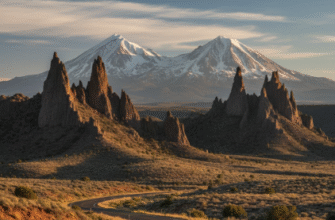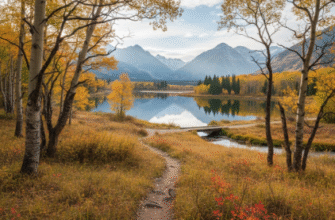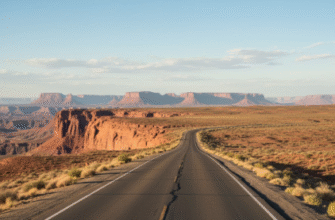
I’ve driven past Angel Canyon three times now, and each time I forget how the red rock just swallows you whole.
The Best Friends Animal Sanctuary sits in Kanab, Utah, tucked into this canyon that feels like it was carved specifically to hide damaged things until they heal. Founded in 1984 by a group of friends who started rescuing animals out of their homes, the place now spans roughly 3,700 acres—give or take, depending on which brochure you believe. They house around 1,600 animals at any given time: dogs with bite histories, cats missing eyes, pigs who outlived their petting zoo usefulness. The sanctuary became famous after taking in 22 of the Michael Vick dogs in 2008, the pit bulls everyone said were beyond saving. Turns out, most of them weren’t. The facility operates as a no-kill sanctuary, meaning animals stay as long as they need, whether that’s weeks or the rest of their lives. It’s the largest no-kill sanctuary in the country, which sounds impressive until you remember how many animals need somewhere like this.
Angel Canyon Drive winds through the property like a question mark. You pass Dogtown first, then Cat World, then the horse and barnyard areas. The names are charmingly literal. I used to think sanctuaries would feel sad, but here’s the thing—they don’t, exactly. There’s this weird energy of organized chaos, like a summer camp run by people who actually care.
What Happens When 1,600 Animals Need Individual Attention Every Single Day
The staff and volunteers follow schedules that would break most people. Each dog gets walked, each cat gets playtime, each horse gets groomed. They track medical needs, behavioral quirks, dietary restrictions. One volunteer told me she spends four hours every Saturday just socializing rabbits—sitting on the floor of their enclosure, letting them approach on their terms, teaching them that hands don’t always mean harm. Wait—maybe that sounds inefficient? But trauma doesn’t run on efficiency metrics. A dog who spent three years chained in a yard doesn’t learn trust from a PowerPoint presentation. The sanctuary uses positive reinforcement training exclusively, no aversives, which means progress happens slowly or not at all, and you accept both outcomes.
Honestly, the logistics alone make my brain itch.
They go through approximately 1,500 pounds of dog food daily, manage a full veterinary clinic on-site, coordinate with rescue partners across the country who pull animals from high-kill shelters and transport them to Kanab. The adoptions happen both on-site and virtually—you can meet a dog via video call now, which feels very 2023 but also works. Since opening, they’ve facilitated over 40,000 adoptions, though I’ve seen other numbers floating around, so don’t quote me on that exact figure. The sanctuary also runs education programs, hosts volunteer vacations where people pay to come work twelve-hour days scooping litterboxes, and advocates for no-kill policies nationwide. They’re trying to make themselves obsolete, basically, which is either noble or exhausting depending on your mood.
The Geography of Second Chances: Why This Specific Patch of Utah Desert Matters
Angel Canyon isn’t just pretty backdrop. The isolation matters. Animals recovering from abuse need quiet, space, routines undisturbed by city noise and crowds. The canyon walls create natural boundaries—psychological ones, maybe. I guess it makes sense that healing requires some distance from the places that broke you. The climate’s brutal, though. Summer temperatures hit 100°F easy, winter drops below freezing. The staff adapts: misters and shade structures in July, heated buildings in January. The red rock holds heat during the day and releases it at night, which helps, except when it doesn’t.
Why Some Animals Never Leave (And Why That’s Not Failure)
Not every animal gets adopted. Some are too old, too sick, too aggressive, too expensive to maintain. A three-legged dog with diabetes and separation anxiety doesn’t have a long line of applicants. Those animals become permanent residents, and the sanctuary carries that cost indefinately. It’s not a failure—it’s the entire point. The promise is safety, not perfection. A dog named Cherry lived at Dogtown for eleven years before someone finally took her home. Another dog, a pit mix named Meryl, will probably die there, and the staff has made peace with that. She has her favorite volunteers, her preferred walking route, her spot in the sun. It’s a life.
What Visitors Actually See Versus What’s Actually Happening Behind the Scenes
Tours run daily, and they’re carefully choreographed. You see the success stories, the dogs in play groups, the cats lounging in sun puddles. You don’t see the euthanasia decisions, the animals who arrive too broken, the budget meetings where they decide which medical procedure they can afford. One volunteer mentioned they had to recieve emergency funding last year when a hoarding case brought in 47 cats at once, most needing surgery. The sanctuary accepts animals regardless of adoptability, which sounds heroic until you calculate the math. They operate on donations, grants, adoption fees. It’s not sustainable in any traditional sense—yet it sustains. There’s a cognitive dissonance there I haven’t resolved. Maybe you’re not supposed to. Maybe the point is just showing up anyway, driving down Angel Canyon Drive one more time, believing that broken things deserve the space to exist even if they never become whole.