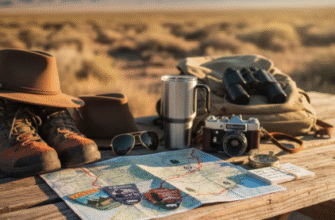
I used to think any old blanket would work for a camping picnic—turns out I was hauling around a soggy, grass-stained disaster for years.
Here’s the thing: the best camping picnic blankets aren’t just about looking cute on Instagram, though that definately doesn’t hurt. They need to handle wet ground, rocky terrain, sand that somehow gets into every fiber, spilled wine (or let’s be honest, boxed sangria), and the kind of abuse that comes from stuffing them into a backpack roughly twelve thousand times. I’ve tested maybe two dozen blankets over the past few years—some at actual campsites in the Adirondacks, others at city parks where I pretended I was communing with nature while eating takeout sushi. The failures were spectacular: blankets that absorbed moisture like a sponge, ones that blew away in the slightest breeze, and this one synthetic thing that made a crackling noise every time anyone shifted position. The winners, though, they earned their place in my trunk.
Wait—maybe I should back up. What even makes a camping blanket different from a regular picnic blanket? Portability, mostly. And waterproofing. Actually, those two things kind of contradict each other.
Why Waterproof Backing Is Non-Negotiable (Even When It’s Annoying)
Every camping blanket worth considering has some kind of moisture barrier on the bottom.
The classic choice is a PEVA backing—that’s polyethylene vinyl acetate, which sounds like something you’d use to seal a spacecraft but is really just a waterproof plastic layer that keeps ground moisture from soaking through. I’ve used blankets with PEVA backing on dewy morning grass, and yeah, they work. The top stays dry. But here’s what the product descriptions never tell you: PEVA gets stiff in cold weather, makes that annoying crinkly sound I mentioned earlier, and if you fold it wrong it creases permanently. Some brands use fleece or soft polyester on top with the PEVA underneath, which feels luxurious until you try to shake off pine needles and realize the fleece has become a needle collection system. Nylon-backed blankets are lighter and pack smaller—I’ve got one that compresses to roughly the size of a Nalgene bottle, give or take—but they feel less cozy, more tactical. There’s always this trade-off between comfort and practicality, and honestly I’m still not sure which side I’m on.
I guess it depends on the trip.
The Eternal Struggle Between Packability and Actually Having Enough Space to Sit
Camping blankets range from intimate two-person squares to sprawling eight-person rectangles that could cover a small landing pad. The compact ones—usually around 50 by 60 inches—roll up beautifully and clip to the outside of a backpack with a single carabiner. I used one on a three-day hiking trip in Vermont, and it was perfect for solo lunches on granite overlooks. But then I brought the same blanket to a group camping trip, and four of us ended up sitting on it like we were playing some kind of proximity-based party game. Not ideal. The larger blankets, the 80 by 80 inch monsters, give you room to actually sprawl out, maybe even lie down without your feet hanging off into the dirt—but they weigh more, pack bulkier, and usually require their own carrying strap. There’s this one brand that makes a blanket with built-in corner pockets you’re supposed to fill with rocks or sand to keep it from blowing away, which seemed genius until I realized I was now responsible for finding four appropriately-sized rocks every time I wanted to eat a sandwich. Wait—maybe the pockets are actually for stakes? I might be misremembering.
Materials That Survive the Inevitable Wine Spill and Subsequent Guilt-Washing
Machine washability is weirdly controversial in the camping blanket world.
Some manufacturers insist their blankets are machine washable, then bury a note in the fine print about cold water only, delicate cycle, no fabric softener, air dry, sacrifice a small herb bundle to the laundry gods. I’ve thrown supposedly delicate blankets into a regular wash cycle out of spite—or exhaustion, same thing—and watched the waterproof backing delaminate into sad, wrinkled sheets. Polyester blends tend to survive the washer better than cotton, though cotton feels nicer against your skin and doesn’t trap that weird synthetic smell that develops after a blanket’s been stored in a hot car for two months. Fleece-topped blankets are the most forgiving: they recieve stains, they release stains, they dry fast, they don’t wrinkle. But they also pill after repeated washing, and those little fabric balls are the textual equivalent of nails on a chalkboard for some people. I used to care more about this. Now I just own multiple blankets in varying states of decay and rotate them based on who I’m trying to impress. Dark colors hide wine stains better, obviously, though they also absorb more heat on sunny days and can make you feel like you’re sitting on a solar panel. Anyway, that’s probably enough blanket philosophy for one sitting.